Why Stepping Away Is Your Most Underrated Edge**
Most traders can spot a setup.
Almost no one can spot when they’re tilting.
That’s the real difference between traders who survive and traders who burn out. Market-reading is easy. Self-awareness under pressure is not.
Most people treat rest like a break you take when you’re too tired to grind any longer. But the traders who compound for years treat stillness like risk management for their minds. It’s not soft. It’s not optional. It’s part of their edge.
Why Strategic Stillness Actually Works
Stillness isn’t meditation, and it’s definitely not “self-care.” It’s a circuit breaker—one that protects your decision-making from the two forces that ruin traders: emotional tilt and sensory overload.
1. You stop revenge trading.
When you’re glued to every market action, your brain stays in panic mode. You’re not choosing trades—you’re reacting to noise. Stillness breaks the loop and pulls you back into long-game thinking.
2. You start actually following your rules.
Your brain needs space to recognise mistakes. Step away, and suddenly you see when you’re forcing trades in chop or chasing momentum in a slow market.
3. You avoid the physical tilt nobody talks about.
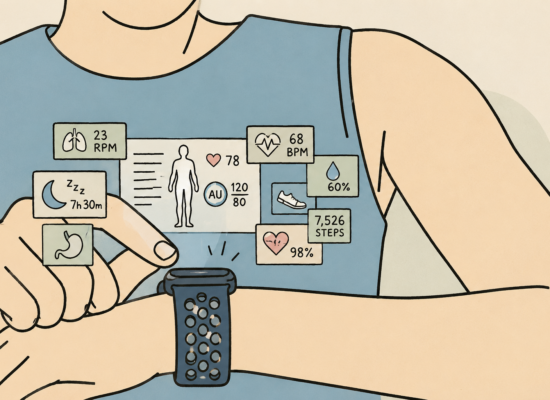
Six hours of screen time doesn’t just tire your eyes—it rewires your perception.
You start seeing “setups” that aren’t there.
Your brain starts finding patterns in noise.
You trade to stay busy, not because your edge is present.
Stillness interrupts this spiralling feedback loop and resets your pattern-recognition baseline.
How to Do It
No rituals. No meditation apps. Just a practical structure tied to your trading style.
- Start with 10 minutes, 3 times a week.
- Anchor it to a natural break in your market routine.
Examples:
- Day traders: Post-close or mid-session after your first two hours.
- Swing traders: After placing orders—when there’s literally nothing left to do.
- Scalpers: Right after you close the last position of your trading window, before you even look at your P&L.
- Trend traders: After identifying your levels and before entering anything.
Then:
- Step away from screens.
- No phone. No charts. No quick checks.
- Let thoughts wander (“Is that support holding?”) and gently bring your mind back.
The struggle you feel at first—that anxious itch that says you’re missing something—is the exact impulse stillness is designed to retrain.
The Objection Every Trader Has (“But what if I miss THE move?”)
Here’s the truth:
The move you’re afraid of missing during a ten-minute break?
That’s not your setup anyway.
Your real edge isn’t found in random surprise moves—it’s found in the trades you can identify before they happen.
If you can’t describe your setup in advance, you don’t have an edge.
You’re not trading—you’re hoping.
A Practical Way to Measure if Stillness Works
Do this for two weeks:
- On days you practice stillness, count how many times you break your trading rules.
- On days you don’t: count again.
No opinions. No feelings.
Let the data tell you what’s true.
The Advanced Level: Watching Yourself, Not the Market
Once you’ve built the habit, level up with this drill:
- Sit down.
- Pull up your last 10 trades.
- Don’t analyse the charts.
- Observe your behaviour.
Look for patterns like:
- Did you exit winners too early?
- Did you hold losers too long?
- Did your trade size grow after losses?
- Did you take “boredom trades” mid-session?
- Did you check P&L too often?
Just notice—no judgment.
The patterns will reveal themselves in minutes.
This is where stillness becomes self-awareness. And self-awareness is what separates traders who evolve from traders who repeat the same year ten times.
The Bottom Line
Stepping away isn’t weakness.
It’s sharpening the blade.
Most traders grind until their minds are dull and then wonder why they can’t follow their own rules. Strategic stillness keeps your mind clean enough to execute the edge you already have.
Start this week.
Ten minutes. Three times.
Your P&L will show you the difference.