Note: This story is based on a Reddit post where a trader shared how he blew up his account after five years of effort. I’m resharing and analysing it here because it captures the reality of why retail traders fail — and what serious traders can learn from it.
The Reddit Trader’s Story
After five years of trying to day trade, one Reddit user wrote a farewell post.
He had dedicated 9–11am every day to learning, testing strategies, and sticking with each idea for at least a year. He wanted trading to be his path to independence — as an introvert who loved video games, it felt like the perfect lifestyle.
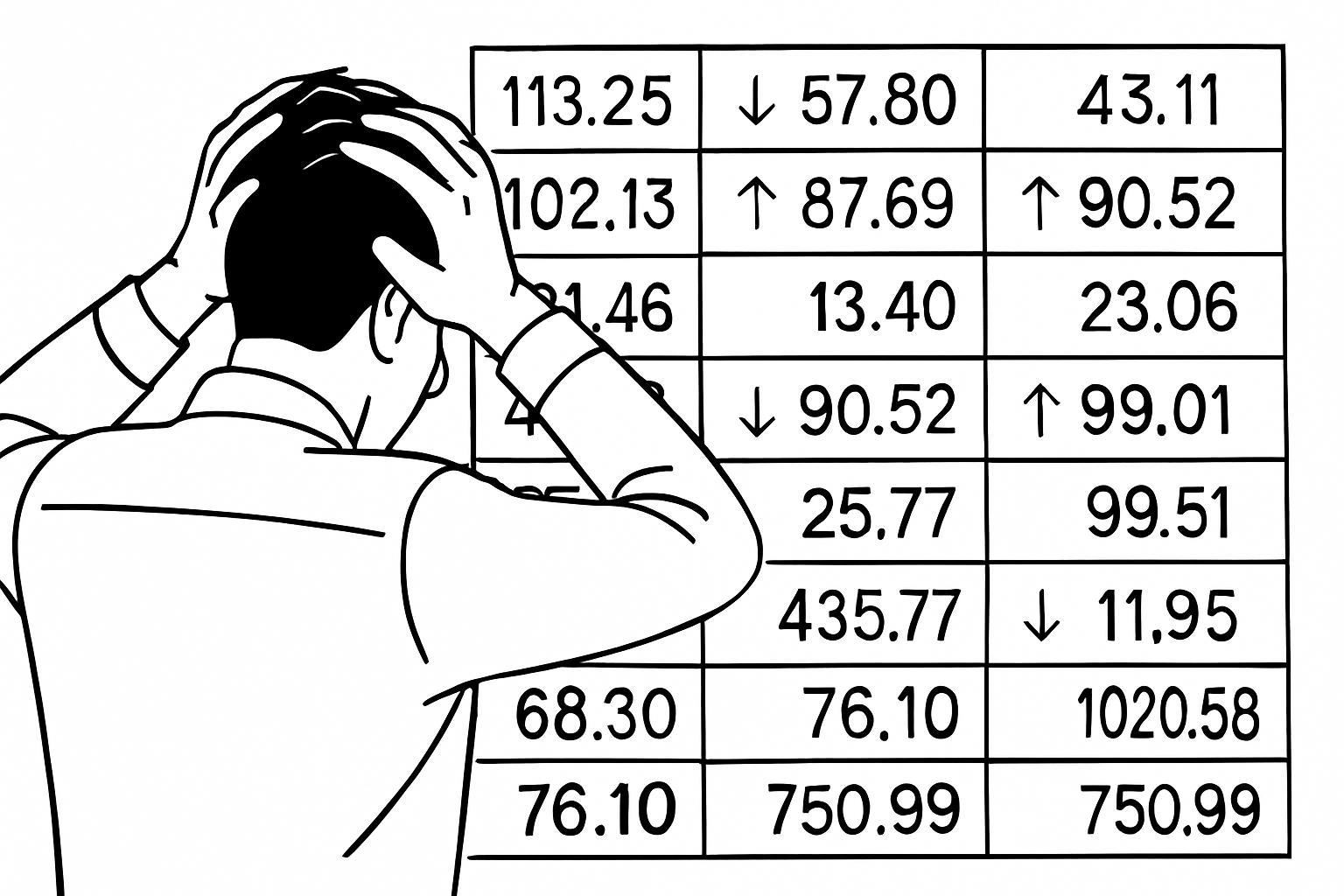
But one morning, he went long at key EMA and Fibonacci levels during a sharp selloff. The setup, which sometimes worked, failed badly. He was margin-called just before the market reversed in his favour. His account was wiped out.
In his words:
“I guess I’m just another statistic. Farewell.”
It’s an emotionally raw story — but it’s also a case study in the deeper reasons why traders blow up.
Beyond “Risk 2%”: The Real Causes of Failure
Many replies to his post repeated the classic advice: “Never risk more than 1–2% per trade.” True, but surface-level. Most blown accounts are already aware of that rule.
The reality is more complex. Traders fail because of:
- Market structure traps — retail setups systematically exploited by institutions.
- Neurological wiring — loss aversion and dopamine loops destroy discipline.
- Capital mismatch — accounts too small for chosen trading styles.
- False expectations — believing effort alone beats structural disadvantages.
Margin Call: What It Is and How to Meet One With Examples (Investopedia)
Market Structure: Why Retail Gets Hunted
Institutions are aware of exactly where retail traders place their orders. That’s why simple setups fail repeatedly.
- Liquidity Hunts: Stops below swing lows or Fib levels attract institutional sweeps. Price breaks the level, triggers retail exits, then reverses.
- Stop Runs: False breakouts are engineered to flush weak hands before the actual move.
- Order Book Games: Institutions spoof liquidity to bait entries, then pull orders.
In short, retail traders often buy into weakness and sell into strength — the exact opposite of institutional flow.
The Neurological Trap: Why Rules Collapse
Losses hurt 2.5x more than equivalent gains — a psychological reality proven by behavioural economics. This imbalance fuels destructive habits:
- Moving Stops: Traders can’t accept losses, so they shift stops lower.
- Adding to Losers: One lucky win from averaging down reinforces catastrophic behaviour.
- Revenge Trading: After a painful loss, the brain seeks immediate recovery, leading to irrational doubling down.
Risk management isn’t just position sizing. It’s neurology under stress. That’s why journaling only matters if you log emotions, triggers, and context — not just P&L.
Capital Requirements: Matching Style to Bankroll
The Reddit trader admitted he was trying to make a living with limited capital. That mismatch alone dooms many.
- Scalpers: Need at least ~$25k in futures or ~$50k in stocks. Otherwise, commissions and leverage make survival unlikely.
- Swing Traders: Must withstand overnight gaps and volatility. Small accounts can’t.
- Position Traders: Require significant capital to diversify and manage variance.
Trading styles without sufficient bankroll isn’t trading — it’s gambling.
Futures: The Leverage Guillotine
A reply broke it down brutally:
- 10 contracts of Nasdaq futures (NQ) = $200 per point.
- A 300-point move in 20 minutes = $60,000 loss.
- Even $25k–$100k accounts can vanish instantly.
Leverage doesn’t forgive mistakes.
Prop Firms: Lifeline or Mirage?
Several replies pointed him toward prop firm trading accounts. The pitch: Pay $200 for an evaluation and gain access to six figures.
The reality:
- Pass rates: <10% succeed in challenges, and fewer sustain payouts past three months.
- Rules: Trailing drawdowns and daily loss caps enforce strict discipline.
- Upside: For traders who’ve developed consistency, it’s the cheapest way to scale without blowing personal capital.
Prop firms aren’t shortcuts. They’re proving grounds, especially when you are starting.
Thinking Institutionally
One consistent theme in replies: stop thinking like retail. Start thinking like institutions.
A framework for that shift:
- Context: Where’s the liquidity? Who’s trapped?
- Structure: Look for stop runs, absorption, and failed breakouts.
- Execution: Enter only after institutions tip their hand, not because “the EMA crossed.”
Trading isn’t about pretty charts — it’s about aligning with the flows that move the market.
Should You Even Continue?
One commenter asked the hardest question: Should you keep going?
A blunt checklist:
- Capital: Do you have enough for your style?
- Discipline: Do you follow rules under fire?
- Time: Are you putting in 6–8 hours a day, or dabbling 2?
- Proof: Have you logged 100+ trades with an edge on the sim or micro?
If the answer is mostly “no,” walking away may be the best course of action. As one reply put it: “Unless your dad is Elon Musk, you don’t get infinite retries.”
Habits That Actually Work
Some veterans shared practices that keep them alive:
- Journals that track emotions, context, and rule-following — not just numbers. Read What Is A Trading Journal? (A Detailed Guide)
- Daily guardrails: max risk per trade, daily stop, trade count limit. Read Control Your Trading Risk With Position Sizing
- Small, compounding goals. One trader makes $250/day consistently — not glamorous, but sustainable, and enough to fund retirement.
This is what survival looks like.
Final Reflection
This Reddit trader believed his blowup was due to bad luck. In truth, it was the product of deeper structural and psychological forces:
- Retail setups targeted by institutions.
- Neurology is wired for loss aversion.
- Underfunded accounts are forced into gambling.
- Futures leverage cuts like a guillotine.
The lesson isn’t “risk 2%.” The lesson is survival. Learn how institutions hunt liquidity. Train your brain to execute discipline under stress. Match your capital to your method. Treat prop firms as testing grounds, not fantasies. And be honest about whether you should continue.
The market doesn’t care if you’ve tried for five years. It only rewards those who protect themselves long enough to be here tomorrow.
FAQ: Hard Lessons From Blowing Up a Trading Account
Q1. What does “blowing up a trading account” actually mean?
It means your capital has been wiped out to the point you can’t realistically continue. Sometimes it’s a slow bleed, but more often it’s one oversized bet, too much leverage, or ignoring a stop until the broker forces you out.
Q2. Why do most traders blow up?
Not because their strategy is bad. It’s almost always poor risk management: trading too big, adding to losers, moving stops, or chasing revenge trades. Discipline—not direction—decides who survives.
Q3. How dangerous is leverage, really?
In futures, it’s brutal. Ten contracts of NQ are about $200 per point. A 300-point move can erase $60,000 in less than half an hour. Even six-figure accounts can vanish if size isn’t controlled.
Q4. Can prop firms save struggling traders?
They can provide a second chance if you treat them with respect. The downside is limited to the signup fee; the upside is potential payouts that can even fund a personal account. But without discipline, you’ll just blow up prop accounts too.
Q5. What habits help avoid another blowup?
Keep a daily journal. Define your risk per trade (0.5–2%). Set a hard daily loss cap. Avoid adding to losers. And don’t underestimate small wins—a steady $50–$250 a day adds up to serious income over a year.
Blowing up a trading account hurts. But you don’t need to fund the next one alone. Prop firms exist for precisely this reason — limited downside, potential payouts, and a chance to scale without risking your savings. If you’re serious about discipline and consistency, start exploring funded trader programs today.
👉 Check out BluSky here.
Note: This is an affiliate link, which helps support the site at no extra cost to you. Always research evaluation costs and rules carefully before signing up.