Most new traders focus on the wrong things. They get stuck trying to find the perfect trade entry, or that one special setup that promises quick riches. But here’s the real truth about what makes or breaks a trader:
It’s position sizing.
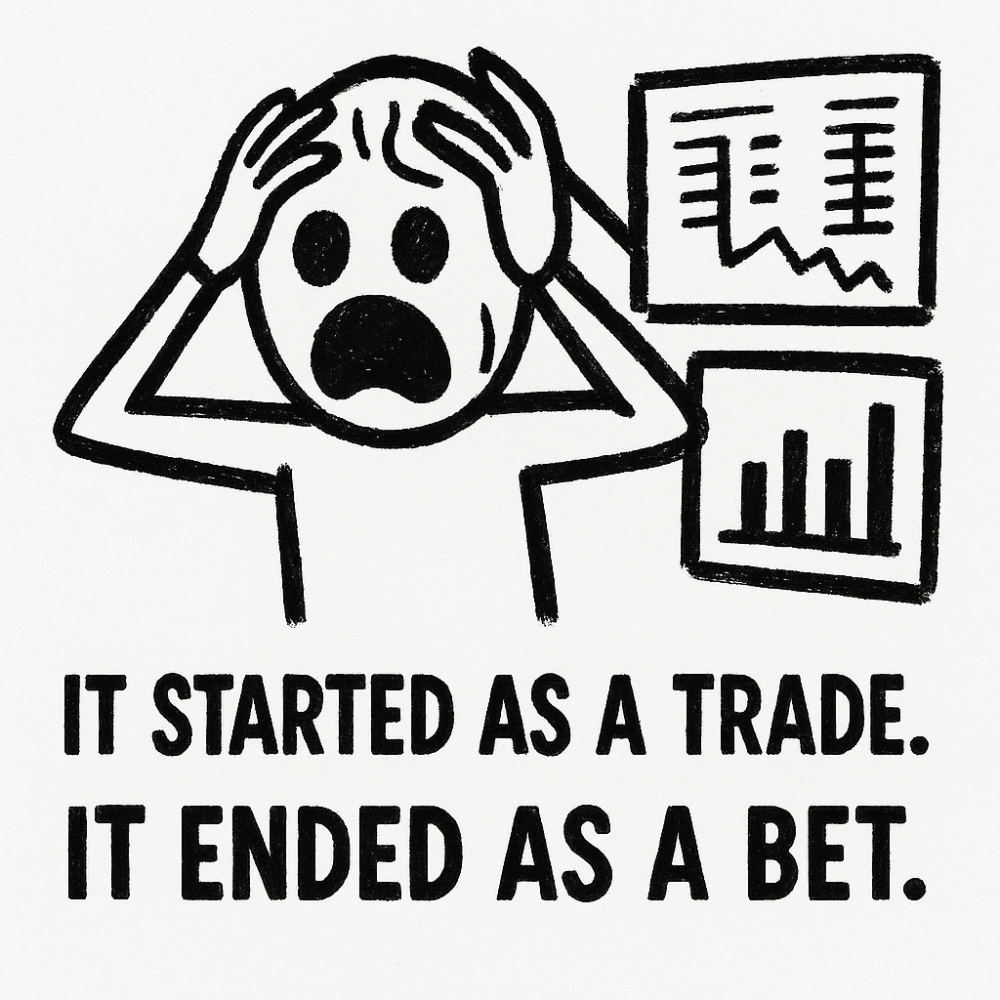
This might not sound exciting, but if you don’t know how much money to risk on each trade, you’re not trading. You’re just gambling.
Why Position Sizing Matters
I learned this the hard way. When I started, I put all my eggs in one basket on a single big trade with no stop loss, and I was sure I was right. But when the market went against me, my money was gone. My confidence was shattered. It wasn’t because my idea was bad, but because I risked too much money.
This is exactly what position sizing protects you from. It’s not just about making money; it’s about keeping your money safe. It ensures that one bad trade doesn’t end your entire trading journey.
What is Position Sizing? The Basics
Simply put, position sizing is about how much money you put at risk in any single trade.
- Risk too much? One bad move in the market can ruin your day, or even your whole month.
- Risk too little? You might survive, but your money won’t grow much.
There’s a balance. Learning this balance is what separates traders who stick around from those who quickly fail.
Key Things to Know for Good Position Sizing
To handle your risk well, you need to understand these main parts:
- How much you’re willing to lose per trade: This is the specific amount of money you’re okay with losing on one trade. For example, you might decide you’re only okay losing $100 on any single trade.
- Your total account balance: This represents the total amount of money available for trading. The money you risk per trade should always be seen in relation to this total amount.
- Risk/Reward Ratio: Before you trade, figure out how much you could potentially gain versus how much you could lose. For instance, a 1:2 risk/reward means you aim to make $2 for every $1 you risk. If the potential profit isn’t significantly larger than the potential loss, perhaps don’t take the trade.
- Leverage: This tool can amplify your gains, but it also magnifies your losses. If you use it incorrectly, small mistakes can quickly turn into huge disasters.
The Hidden Benefit: Protecting Your Mind
Besides protecting your money, position sizing also protects your mind.
Have you ever felt extremely stressed when a significant amount of money is at stake? Every tiny price change feels like a matter of life or death. You can’t think straight. You might close trades too early, move your stop-loss orders around, and then beat yourself up later.
This stress drains your mental energy. Once that’s gone, no amount of skills will help you. Good position sizing takes away this pressure, letting you think clearly and follow your plan without the huge weight of too much risk.
How to Get Position Sizing Right: Simple Ways
So, how do we do this correctly? Here are some proven ways:
- Fixed Dollar Method: You risk the same amount of money on every trade. Like risking $50 every time. It’s steady and straightforward. However, as your account grows, $50 becomes an increasingly smaller part of your total funds, which may slow your growth.
- Example: If you start with $1,000 and risk $50 per trade, that’s 5% of your money. If your account grows to $5,000, risking $50 is now only 1%, which might be too little for you.
- Percent Risk Method: This is one of the easiest for beginners. You risk a set percentage of your total trading account on each trade, typically ranging from 1% to 2%. This way, as your account grows, the amount you risk (in dollars) also grows. It’s smooth, grows with you, and smart.
- Example: With a $1,000 account and a 2% risk, you risk $20 per trade. If your account grows to $2,000, your 2% risk is now $40 per trade, allowing your risk and potential profit to grow in line with your investment.
- Volatility-Based Sizing: This is a more advanced approach. It adjusts your trade size based on the market’s volatility. If prices are moving a lot (high volatility), you trade with less money. If the market is calm, you can trade more. Think of it as adjusting your risk to the market’s mood.
- Example: If a stock is jumping up and down a lot, you might buy fewer shares to keep your dollar risk within your limit. For a calmer stock, you could buy more shares while still risking the same amount of money.
Big Mistakes: Letting Feelings Take Over
Most traders make mistakes by letting their emotions dictate their position sizing.
- After a big win, they feel like they can’t lose and start risking way more, only to lose big on the next trade.
- After a significant loss, they panic and risk much less, sometimes missing out on good chances later.
This isn’t a system; it’s an emotional ride, and emotions are expensive in trading.
Build Your Trading Plan
Your position size should always be based on a plan, not on how you feel at the moment. If you’re serious about trading for a living, you need a plan.
- Know what risk you can handle.
- Set clear stop-loss levels: This is where you exit a trade to limit your loss.
- Use tools like a position size calculator: These help you determine the optimal number of shares or contracts to trade.
- Create a system that respects you: Your money, your feelings, and your limits.
Position Sizing for Different Trading Styles
Different ways of trading need different sizing:
- Day traders and scalpers: They make many quick trades. They use small sizes and very tight stop losses to stay flexible.
- Swing traders: They hold trades for days or weeks. They can use slightly larger sizes, but must still manage risk smartly for their longer trades.
- Long-term investors: For those holding investments for months or years, sizing is about spreading your money out. It matters not just per trade, but across all your different investments to manage overall risk.
Your Trading Anchor
Position sizing is like your anchor. It keeps you steady when markets are stormy and keeps you grounded when greed tries to whisper in your ear. It’s more than just numbers; it’s about your mind, your discipline, and your ability to survive.
Want to trade for a living? Master your position size first.
Because the real advantage in trading isn’t just reading the market clearly. It’s in your ability to control risk, even when everything else feels out of control.
What’s one thing you’ll change about your position sizing today?