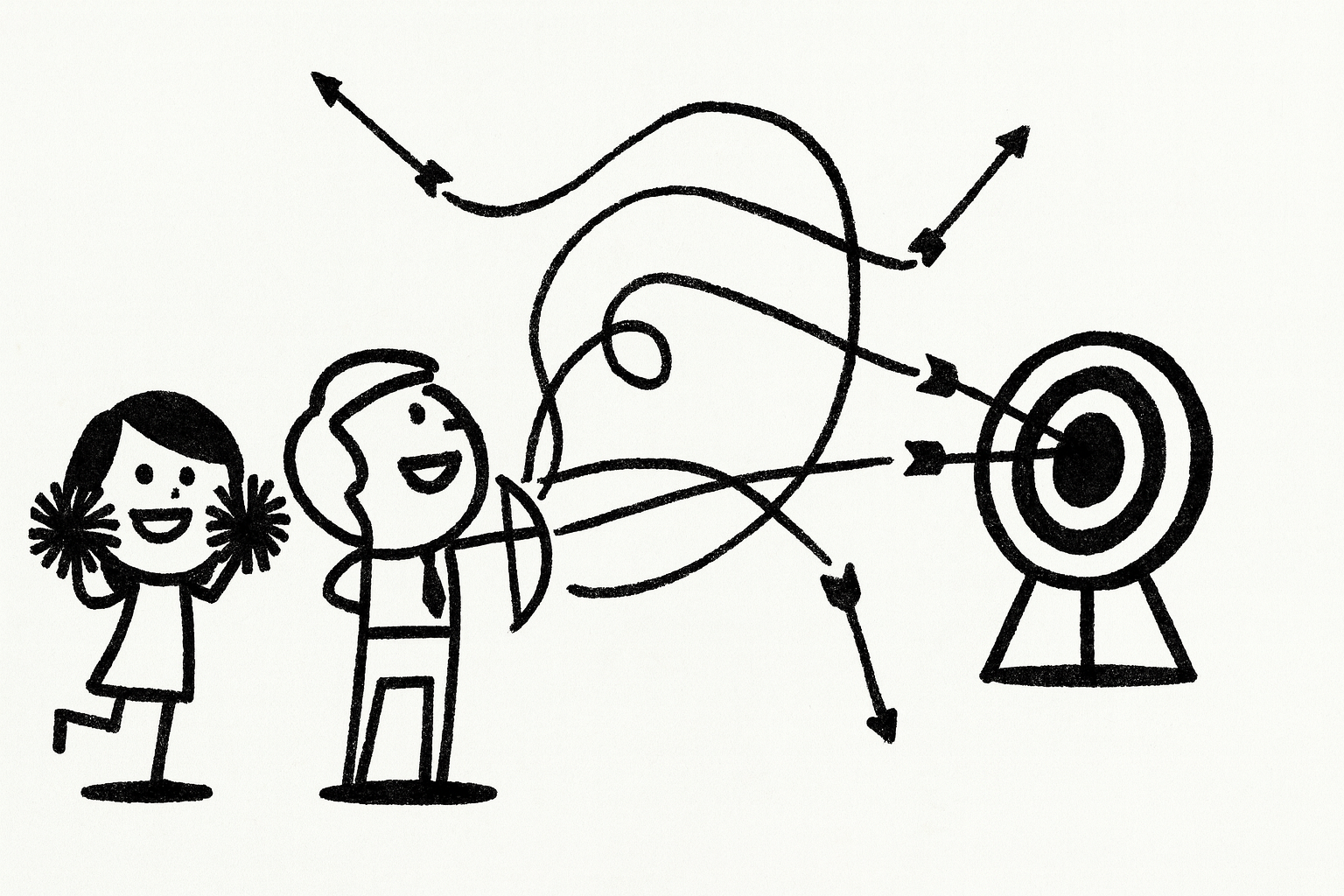
Trading success is a quiet killer. One day, you’re protecting every dollar like your life depends on it. Next, you’re on a winning streak and suddenly think the rules don’t apply to you anymore.
This overconfidence destroys more traders than losing streaks ever will. After their first profitable months, successful traders make a fatal mistake: they let discipline slip, oversize their positions, and treat hard-earned profits like casino chips.
I learned this the hard way. So did dozens of other traders I’ve spoken with. Here’s what we discovered—and how you can sidestep this costly trap.
Mistakes Traders Make After Their First Profitable Month
When I finally started making consistent money—enough to quit my job—I thought I had cracked the code. My P&L was mostly green, I was trading conservatively, and I stuck religiously to my risk management plan.
Then I got cocky.
After a few winning months, I felt invincible. I started taking oversized trades that didn’t fit my strategy—30 ES contracts on speculative moves I had no business making.
The result? I wiped out a month’s gains in a single session. This wasn’t a one-off mistake; it became a pattern. Like countless others, I learned that blowing up a trading account can happen even after you think you’ve “made it.”
Why Traders Lose Money After Becoming Profitable
The psychology behind this is fascinating. During my learning phase, every dollar felt precious—I’d agonize over $50 losses. But once I became profitable, I started treating profits like Monopoly money.
If a setup looked even half-decent, I’d go heavy. “I can manage the risk,” I’d tell myself, then spend the next four hours watching my position in survival mode. Months of careful discipline could evaporate in minutes of overconfidence.
The irony? My best trades were always the boring ones—slow, methodical setups that built momentum quietly. Those flashy breakout trades I chased rarely delivered lasting results.
👉 Related: Why Trading Psychology Matters More Than Strategy
How to Stay Consistent After Becoming a Profitable Trader
The turning point was realising that the same discipline that got me profitable was the discipline I needed to keep forever.
Now, I use the same position size every day. Whether it’s the “trade of the year” or just another setup, my risk stays constant. If it wins, great. If it loses, I live to trade another day.
To scratch the itch for those big, reckless trades, I keep a paper trading account open on my second monitor. My “YOLO trades” go there—not into my real money.
Common Psychology Traps Traders Face After Consistent Profits
When I shared this, other traders chimed in with their mistakes—and the patterns were almost identical.
Overconfidence in Trading After the First Big Win
Some traders admitted that one huge win convinced them they were unstoppable. Oversizing trades became their downfall. One trader grew a $ 5,500 account to $ 100,000 by shorting penny stocks, only to lose $ 70,000 in a single day.
Revenge Trading After a Loss: Why It Destroys Profits
Others confessed that their biggest losses came after great green days. They got overconfident, lost discipline, and slipped into revenge trading after losses, chasing setups that weren’t there.
Why Context Matters More Than Just “Taking the Setup”
The advice “always take your setup” isn’t complete. A bear flag short into major support? That’s gambling. Good setups require context.
How to Size Trades Properly Without Breaking Discipline
Some argued that keeping the same size forever means leaving money on the table. Others countered that consistent sizing keeps emotions in check. The takeaway: Know your psychology and apply risk vs. reward in day trading in a way that you can sustain.
Automation in Trading Strategies: Removing Emotion From the Process
Several traders eliminated this problem through automation. Bots don’t tilt or revenge trade. Platforms like NinjaTrader allow rule-based systems coded in C#.
Trading Discipline After Quitting Your Job
Another lesson came from lifestyle changes. Once trading became my full-time job, the stakes grew heavier. Traders warned: complacency kills. Protecting capital in volatile markets requires the same discipline you used to build the account.
As one trader put it: “Don’t ever think you are good. If you think you are good, you are dead.”
How to Protect Trading Gains From Emotional Mistakes
If you’re profitable, be cautious of the trap of overconfidence. The rules don’t vanish once you start winning—they become more critical.
For me, recognising that boring setups are the best setups has kept me grounded. Now I stick to consistent sizing, follow rules, and let paper trading handle my urge to gamble.
Trading isn’t about being a genius. It’s about surviving long enough to compound consistently.
Frequently Asked Questions (FAQ)
What is the biggest mistake traders make after becoming profitable?
Overconfidence and breaking discipline. Profitable traders often oversize trades, chase excitement, and abandon effective risk management, which can quickly wipe out gains.
How do I avoid blowing up my account after success?
Maintain the same discipline that led you to profitability. Use consistent position sizing, follow your risk plan, and avoid revenge trading. Tools like automation and paper trading help reduce emotional mistakes.
Should I scale up my position size after becoming profitable?
It depends. Some thrive by scaling during good conditions, others stick with a fixed size to protect their psychology. The key is consistency—don’t let greed override discipline.
Why do traders treat profits like ‘Monopoly money’?
Once money feels abundant, many traders subconsciously devalue it. Instead of protecting profits, they gamble them away. Awareness of this trap is critical.
Can automation in trading strategies prevent mistakes?
Yes. Bots remove emotions and revenge trading. If your strategy has strict rules, automation can enforce them without hesitation.


