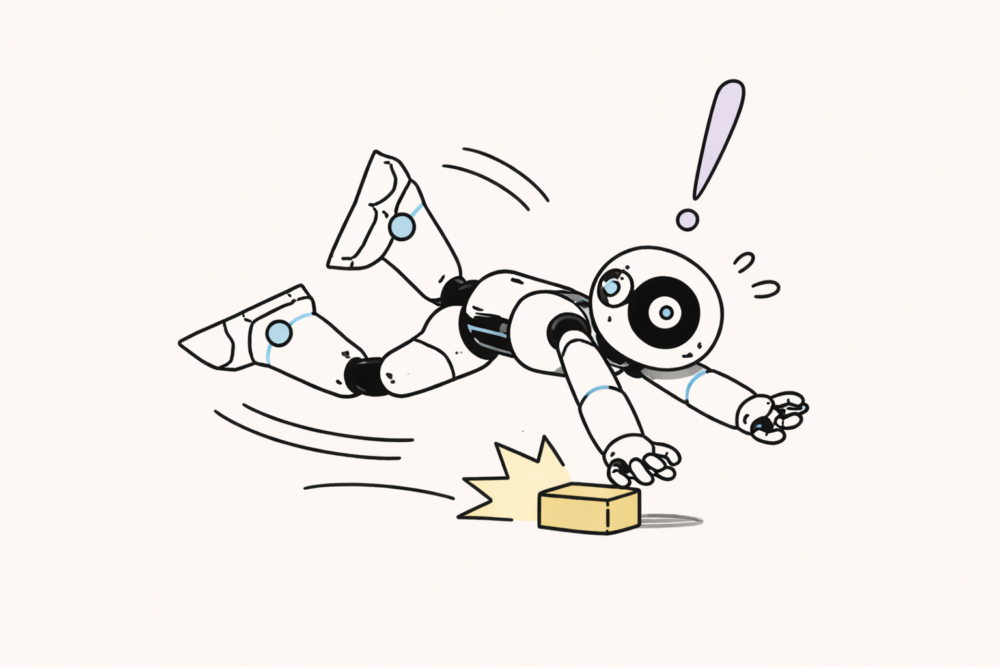
On a slow trading day, a trading bot did exactly what it was programmed to do.
Price crossed a moving average. Volume confirmed it. The bot placed its trade.
What it didn’t know: five minutes earlier, a single headline had changed everything.
Some leaders tweet. A war broke out. These events move markets instantly—but they don’t show up in price charts until it’s too late.
This is the weakness of traditional trading bots.
Discipline Without Awareness
Bots are perfectly disciplined. They never get tired, emotional, or impulsive.
But they also can’t understand why the market is moving. They follow rules built for yesterday’s market—even when today’s market has changed completely.
A rigid bot can make money when conditions stay stable. But markets don’t stay stable. They shift—sometimes slowly, sometimes suddenly.
- A tweet breaks normal price patterns.
- A macro shock makes all assets move together.
The bot still sees only: “Price crossed the line.”
It isn’t broken. It’s just blind to context. And that blindness is expensive.
Humans Win on Context, Not Speed
Human traders don’t beat bots by calculating faster. They win by reading the situation.
Looking at the same chart, a human might think:
- “This is a normal dip—buy it.”
- Or: “This is panic from bad news—stay out.”
That judgment comes from context: news, sentiment, rumours, and events that affect prices before the charts catch up. For years, automated trading bots couldn’t access this layer of information.
Now, AI is changing that.
AI Bots That “Read the Room”
In a recent crypto trading contest called Alpha Arena, several AI models traded with the same capital and tools. Their results varied wildly—not just in profits, but in style:
- One acted like a patient sniper: few trades, long holds, waiting for clear setups.
- Another held positions calmly through volatility, as if it understood the bigger picture.
- Others traded constantly—overtrading, burning fees, repeating the mistakes humans make when stressed.
The surprise wasn’t just what they did—it was that they behaved like real traders with distinct personalities, strengths, and weaknesses.
These AIs weren’t just following rules. They were interpreting context: headlines, sentiment shifts, market narratives—the messy signals that move markets before prices change.
The New Edge: Awareness Over Speed
For years, the advantage in algorithmic trading was speed. React faster, cut out emotion, execute cleanly.
That edge is fading. Speed is now common. The new advantage is awareness—knowing when the market has changed its rules.
The real danger isn’t missing a trade. It’s taking a “perfect” trade in the wrong environment:
Most bots fail not because they’re undisciplined, but because they’re too disciplined in a world that no longer follows the old rules.
The Shift: From Execution to Interpretation
Old bots were built to execute trades.
New AI agents are built to interpret the market.
They don’t just see price moves. They ask: Why did the price move?
The Real Lesson
Big AI models aren’t always the best traders. The strongest performers act like experienced humans:
- They trade less.
- They wait for clarity.
- They avoid forcing trades.
- They survive.
The next edge in trading won’t belong to the fastest bot. It will belong to the system that knows when its own rules have stopped working.
The question is no longer: “How do I build a bot without emotion?”
It’s: “How do I build a system that knows when the game has changed?”