Every January, traders make the same promise: “This year, I’ll be disciplined.”
New rules. New routines. No more mistakes.
They last a few weeks.
Then they get a winning streak… and start breaking rules.
They hit an 8% gain… and lose it in two trades.
By spring, the account is gone.
And they blame themselves: “I’m undisciplined.”
But that’s usually wrong.
The real problem: Their position size was too big for their emotional capacity.
They didn’t fail because they’re weak.
They failed because they tried to transform overnight instead of adapting slowly.
Transformation vs. Adaptation
Transformation (what most try):
“I’ll trade like a robot. No emotions. No mistakes.”
It feels powerful—but it’s fragile.
You push your system beyond its current limits… and it breaks.
Adaptation (what survivors do):
Trade small until execution stays steady.
Then—only then—increase size.
Just slow, steady growth that compounds.
The Danger Zone: Winning
Losing feels risky. But winning is more dangerous.
After a few wins, you feel invincible.
You trade bigger. Loosen rules. Chase payouts.
You stop protecting capital because you feel you’ve “earned” the right to relax.
But the market doesn’t care about your confidence.
It rewards only precision—and precision requires emotional capacity.
How Blow-Ups Happen
- You win 15 of 20 trades. You feel in control.
- One normal loss hits.
- Instead of accepting it, your brain treats it as a personal insult.
- You revenge-trade. Size up. Try to “make it back.”
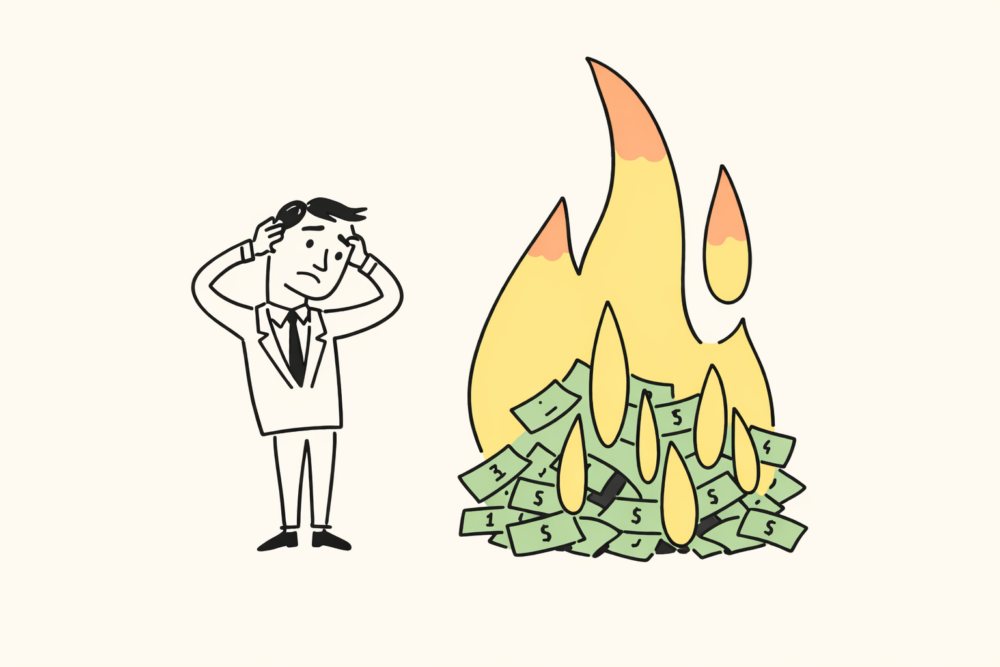
- Six months of gains vanish in one session.
This isn’t a strategy failure.
It’s a capacity mismatch: emotional demand exceeded what you could handle.
Signs You’re Overreaching (Check Your Journal)
- Lot sizes are creeping up “just a little”
- Rules becoming “guidelines”
- Trading out of boredom or frustration
- Thinking, “I need to make it back”
You don’t blow up suddenly.
The Fix: Operate Within Capacity
Stop trying harder. Start carrying less load.
- Trade sizes your nervous system can handle—even on bad days.
- Accept that some days you can’t trade well. That’s not weakness—it’s reality.
- Treat emotional capacity like weather: adjust your trading to match the conditions.
- Build stability slowly, like capital: within limits, with respect for drawdowns.
Bottom Line
The market doesn’t test skill alone.
It tests whether you can execute your edge consistently—after wins, after losses, on boring days.
Traders who survive don’t reinvent themselves.
They stay honest, trade within their limits, and let compounding do the rest.
Traders who fail keep overreaching—then blaming themselves when the system collapses.
Stop chasing transformation.
Your account depends on it.