We were halfway through lunch when he said it casually:
“Honestly… I’ll probably just go full throttle one more year.”
He said it like ordering coffee—no drama, just habit.
But the words still hit hard.
I’d heard it before—in different words:
- “One more year, then I’ll slow down.”
- “One more big win, then I’ll step back.”
- “One more bull market, then I’ll reduce risk.”
For traders, this trap is especially dangerous. The market always gives you a reason to stay: bull markets feel too profitable to leave. You live in a loop of “not yet.”
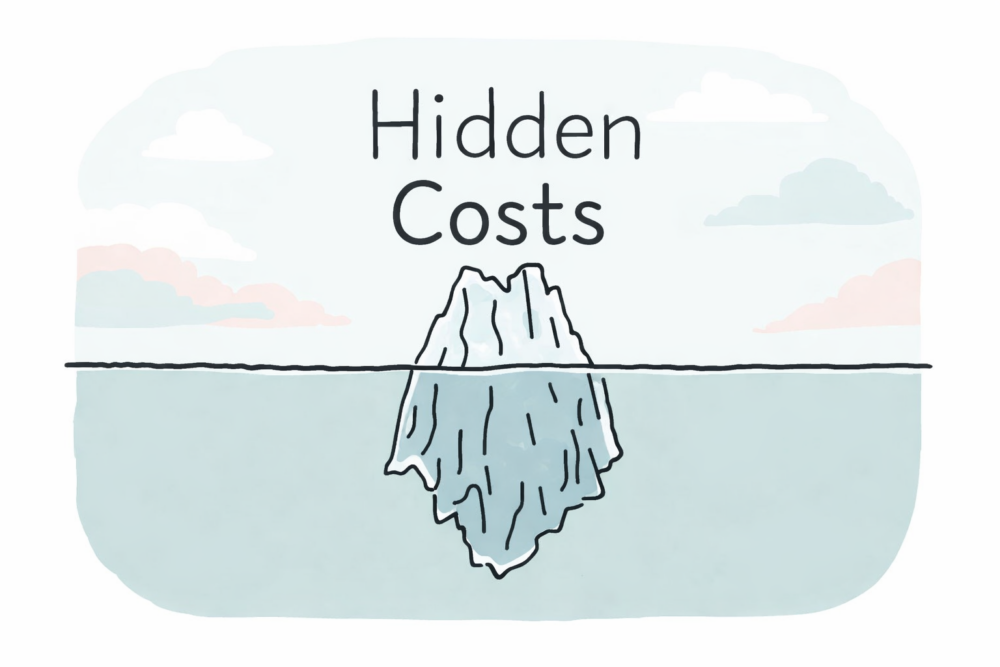
The hidden costs no one talks about
1. Your mind doesn’t compound like money
Your edge—quick thinking, calm judgment, pattern recognition—doesn’t grow forever. It fades. A sharp 58-year-old trader is worth more than a slower 68-year-old with a bigger account. Keep trading past your peak, and you may erode the very skill that built your wealth.
2. Trading becomes your identity
Without meetings or a boss, the charts become your calendar. Your P&L becomes your self-worth. The real fear isn’t losing money—it’s asking: Who am I without this? So you delay the question. One year becomes five. Then the market decides for you.
3. Life options quietly disappear
You assume you can travel, reconnect, or explore “later.” But later changes. Parents age. Friends move on. Your energy shifts. That spontaneous trip at 45 feels different at 65—even with the same money and time. The version of you who could fully enjoy it may be gone.
4. Time isn’t symmetrical
The years when you still have energy, curiosity, and mental sharpness? They’re not replaceable. Every “one more year” trades your youngest, freest self for a slightly bigger safety net—without pricing the real cost.
The question that changes everything
I asked the table:
“If your broker locked your account tomorrow—no trading for a year—would your life fall apart?”
Silence.
The real question isn’t financial
Most ask: “Can I afford to stop?”
The harder truth: “Am I still trading because I need to—or because I don’t know who I am without it?”
The skills that made you successful—discipline, delayed gratification—can trap you. You traded present life for future freedom. But when the future arrives, you must recognize it.
At the end of lunch, the same man who started with “one more year” smiled and said:
“Maybe it’s not about trading longer.
Maybe it’s about living sooner.”
That’s the real math.
Not how much more you can earn.
But how much life are you quietly spending to earn it?
The most expensive loss in trading isn’t a bad trade.
It’s a life you never got around to living.