The red numbers on my screen felt like they were burning holes through my skull.
The Day I Almost Quit Trading Forever
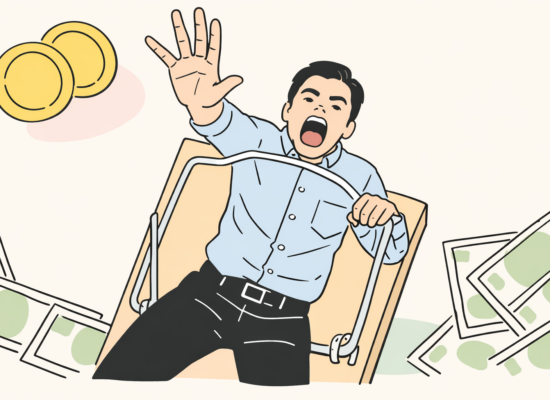
It was a Tuesday morning, and I thought I had it all figured out. The market was moving fast, and I could smell easy money. I loaded up on Tesla calls with way too much of my account – about 40% of my trading capital. “This is it,” I thought. “This trade’s gonna pay for my retirement.”
Then Elon tweeted something random, and Tesla dropped like a rock; I watched a year of profits vanish in fifteen minutes. My hands were shaking so bad I could barely click the sell button. My heart was pounding like I’d just run a marathon. I sat there staring at my screen, feeling like the biggest idiot on the planet.
That night, I couldn’t sleep. I kept replaying every moment, wondering how I’d gotten so carried away. The worst part? This wasn’t my first meltdown. I’d blown up smaller accounts before, but this time felt different. This time, I had a meaningful amount of money at stake.
The Lesson That Changed Everything
Here’s what that painful loss taught me about controlling emotions while day trading: your biggest enemy isn’t the market, the algorithms, or even bad luck. It’s the voice in your head that whispers “just this once” or “I can’t afford to lose this trade.”
That Tesla disaster was a wake-up call. I realised I wasn’t trading – I was gambling with my emotions, driving every decision. Fear and greed trading had taken over, and I was making all the classic emotional trading mistakes without even realising it.
The next day, I did something that felt completely wrong, but it changed my trading forever: I reduced my position sizes to almost nothing. We’re talking about risking $20-30 per trade when I used to risk hundreds. My ego hated it, but my account started loving it.
Trading psychology isn’t just some fancy term – it’s the difference between consistent profits and posting loss screenshots online. When you’re not worried about the money, your mental state management becomes automatic. You stop panic selling at the worst moments and start thinking clearly about your trades.
The Two Rules for Emotional Discipline
After that wake-up call, I developed two non-negotiable rules that completely transformed my trader mindset. These aren’t complicated strategies or secret indicators – they’re simple psychological barriers that keep your emotions in check.
Rule #1: Trade So Small You Don’t Care
This sounds boring, I know. But here’s the truth: if your stop loss makes you nervous, you’re trading too big. Period. I spent four months trading micro contracts that were worth less than my coffee budget. Four whole months while everyone on TikTok was showing off their big wins.
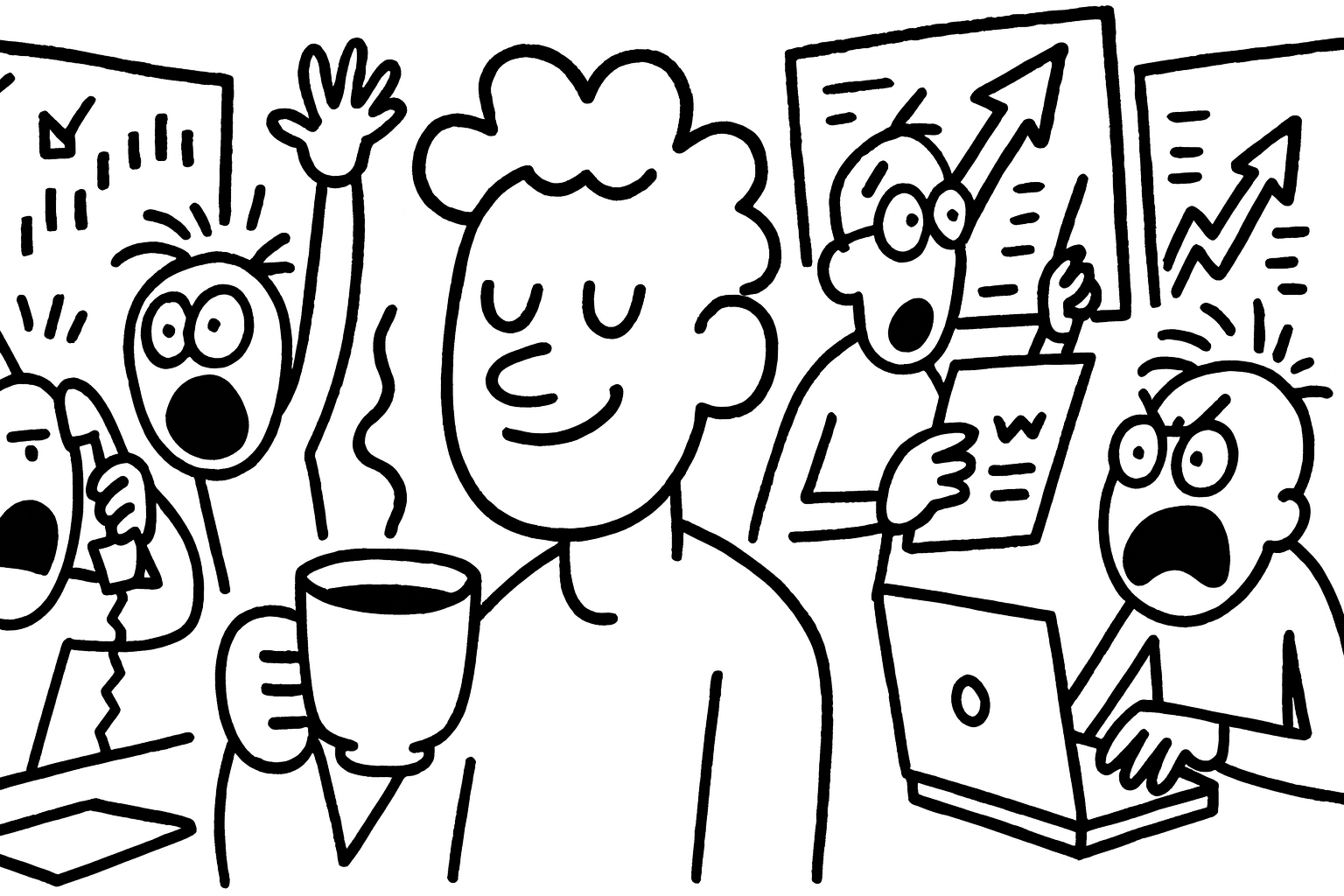
But something magical happened. My emotions flatlined. I could watch trades develop without my palms getting sweaty. I could stick to my plan instead of second-guessing every move. The math is simple – smaller positions equal smaller emotions, which equals clearer thinking.
Those small losses became cheap education. Every $25 loss taught me something that prevented bigger disasters later. When you’re not worried about paying rent with your trading profits, you can focus on building real skills instead of just trying to get lucky.
Rule #2: Become a Trading Machine
The second rule is about completely disregarding your impulses. Before the market opens, I already know exactly what I’m looking for. My entry rules, my exit plan, my risk management – everything is decided when my emotions are calm.
Why? Because FOMO trading and revenge trading happen when you start thinking too much during market hours. The algorithms are designed to trigger these emotional responses. They want you to panic-sell at the bottom and chase the top. The moment you deviate from your plan, you’re playing their game.
I write down my trading rules and review them daily. When I see my setup, I execute it like a robot—no thinking, no feeling, just following the system I created when my head was clear.
Building Your Mental Fortress
Mental state management isn’t just about staying calm during losses; it’s also about maintaining a positive outlook. It’s about creating a systematic approach that removes emotions entirely from the equation. Here are the specific steps that work:
- Start each day by reviewing your trading plan, not checking what the market did overnight
- Set your maximum daily loss limit and stick to it no matter what
- Use alerts instead of staring at charts all day – this prevents impulsive decisions
- Keep a trading journal to track your emotional state, not just your profits and losses
- Practice meditation or breathing exercises to stay centred when trades go against you
The hardest part about developing emotional discipline is that it feels like you’re missing out. When you see other traders posting big wins, your brain starts telling you to take bigger risks. But remember – you only see their highlights, never their disasters.
Why This Approach Actually Works
Some people think trading small is just delaying the inevitable – that emotions will come back when you scale up. They’re missing the point entirely. By the time you’ve built consistency with a small size, you’ve rewired your brain.
The trader who patiently grows a small account with discipline will naturally apply that same discipline to larger accounts. It’s not about the dollar amounts – it’s about building habits that become automatic responses to market stress.
This process beats trying to control emotions through willpower alone. You cannot rely solely on willpower. Willpower fails when you’re stressed, tired, or facing big losses. But systematic habits persist even when your emotions are screaming at you to do something foolish.
Your Action Step for Today
Here’s something you can do right now to start mastering how to control emotions while day trading: cut your current position size in half, then cut it in half again. I’m serious.
If you normally risk $100 per trade, start risking $25. If you risk $500, drop it to $125. Trade these smaller sizes for at least two weeks and pay attention to how differently you feel about each trade.
Write down your emotions before, during, and after each trade in a simple notebook. You’ll be amazed at how much clearer your thinking becomes when real money stress disappears.
The market will always be there tomorrow, but your account might not survive if you keep trading with your heart instead of your head. Start small, stay disciplined, and let your process do the heavy lifting. Your future self will thank you for it.